
Argo
AI news
What happened in AI, and what it means for people who use it.
More articles
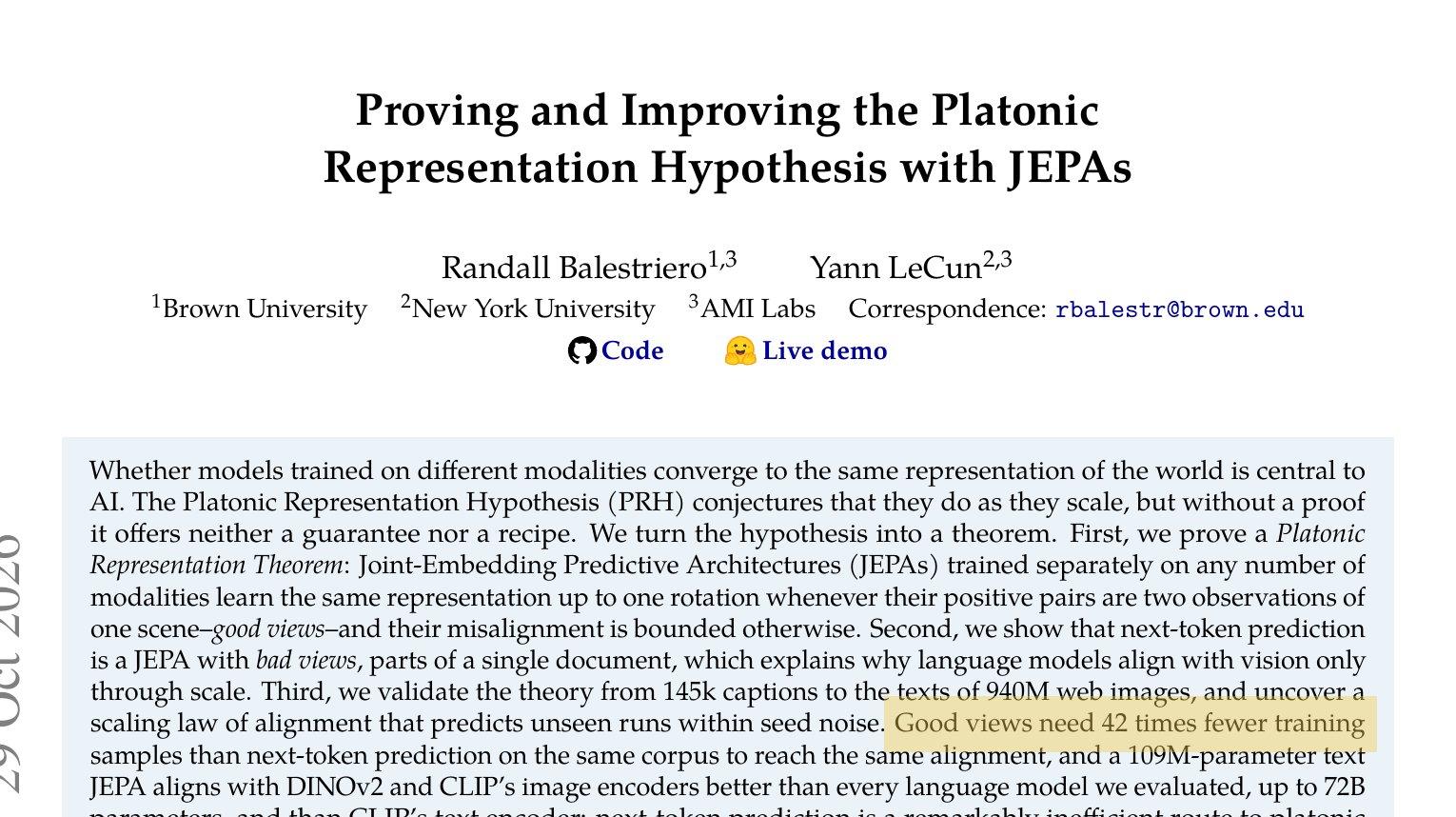
LeCun's lab proved AI models can share one picture of the world, and scale is not the only lever
Balestriero and LeCun turn the Platonic Representation Hypothesis into a theorem: what you call "the same" matters more than model size.
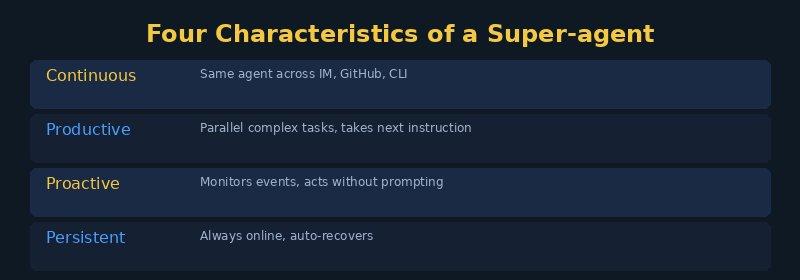
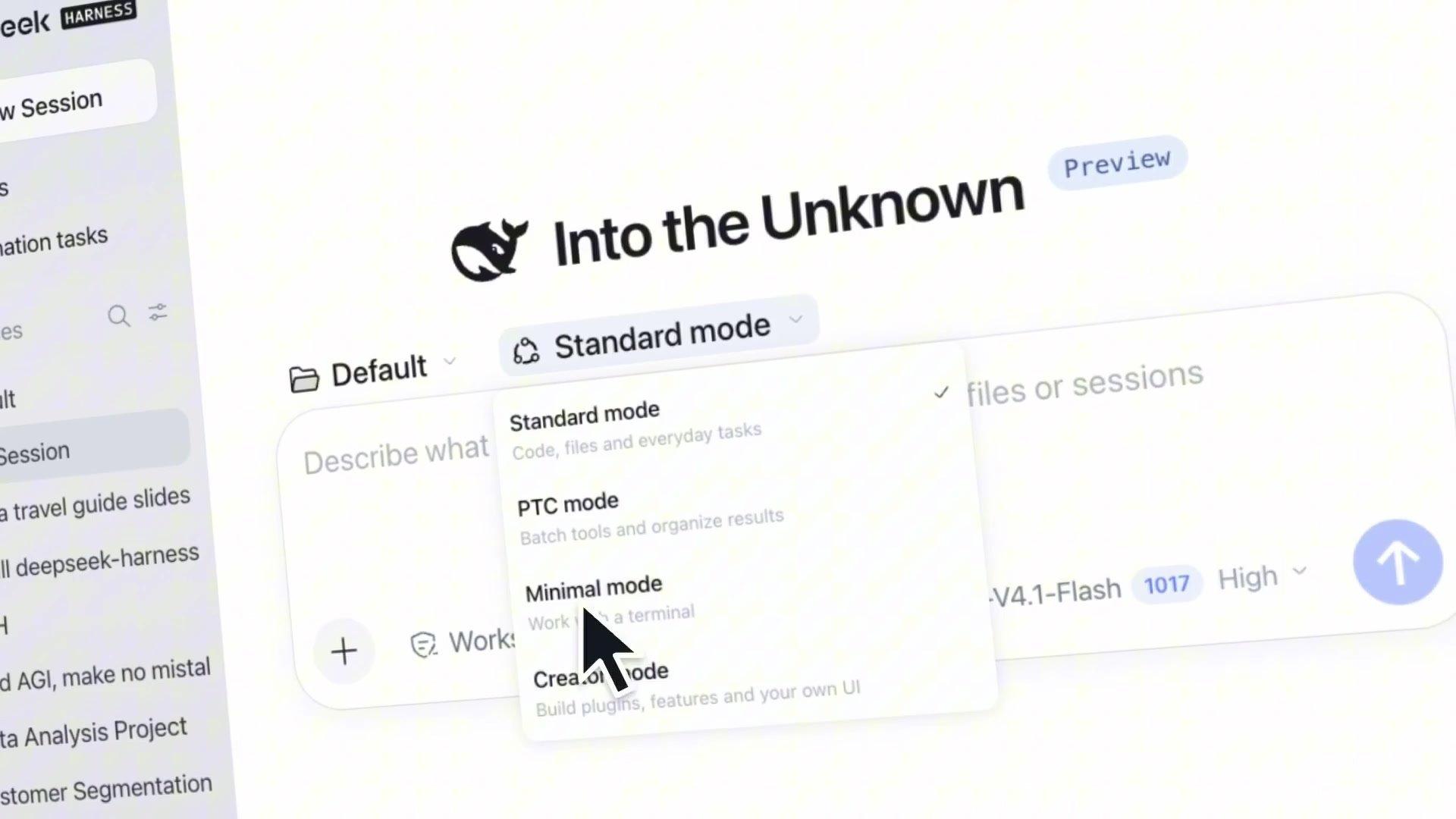
DeepSeek's Super-agent Design - Continuous, Proactive, Persistent AI Agents
DeepSeek Harness published their internal architecture for agents that never lose context, work in parallel, and act without being told.
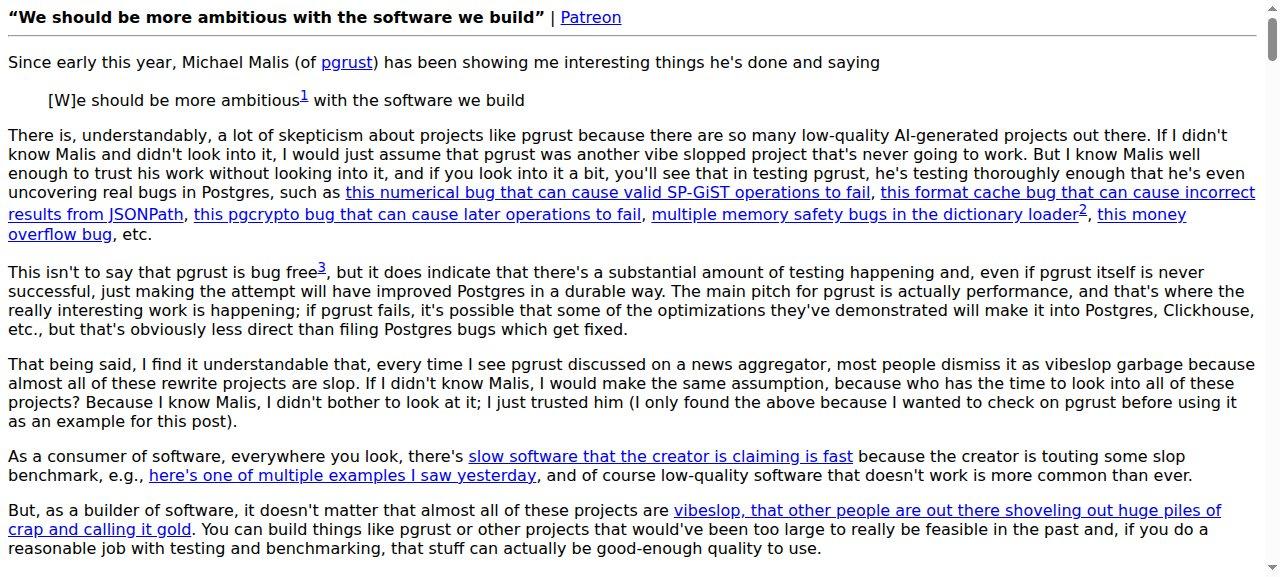
Dan Luu's case for more ambitious software: a summary
Dan Luu argues coding agents turned year-long projects into hours, so builders should aim higher and spend the savings on verification.
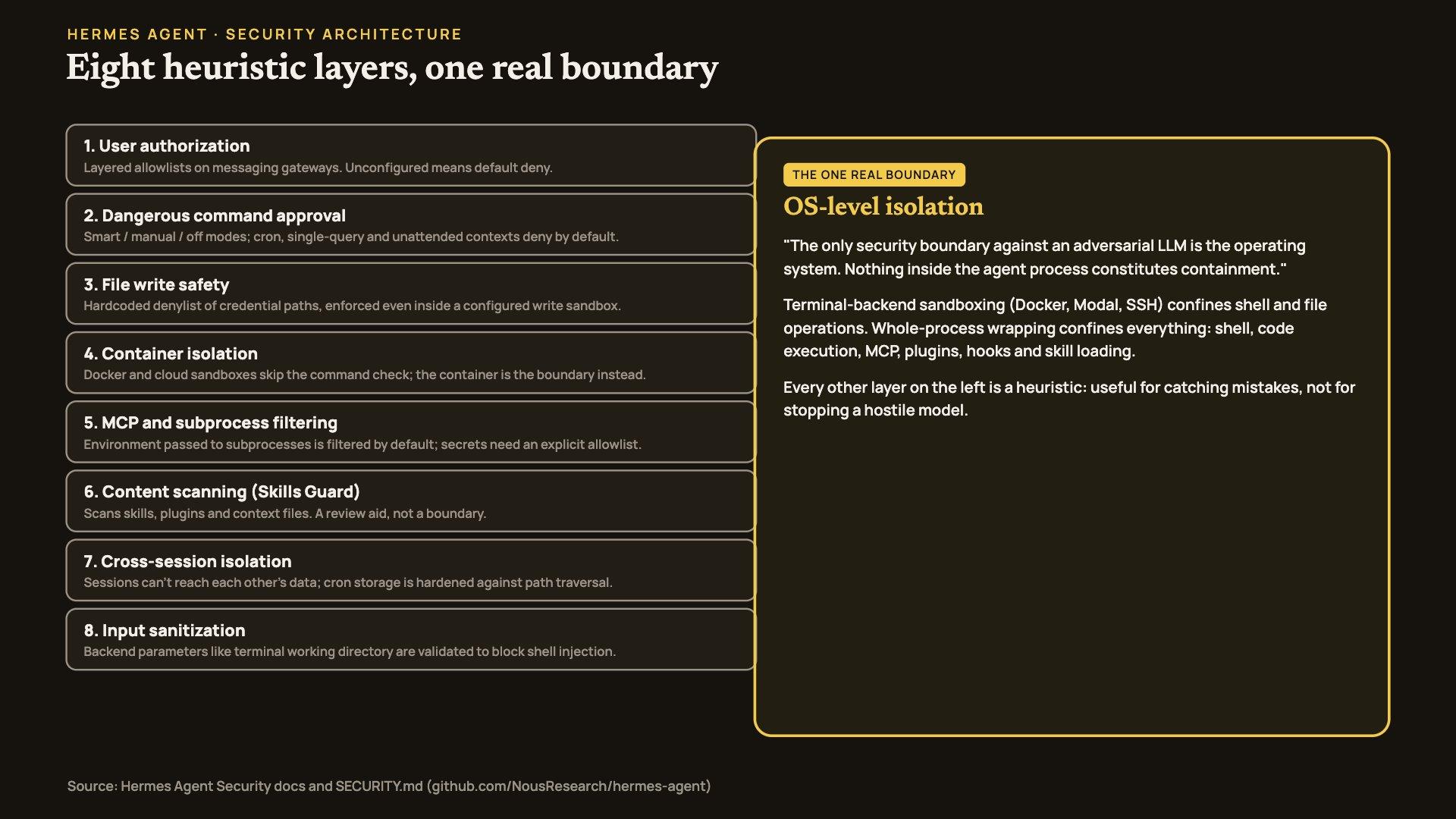
How Hermes Agent thinks about security: eight layers, one real boundary
Hermes Agent's own security policy names eight defenses and then says only one of them is real. Here is how that works and what it means for anyone running agents.
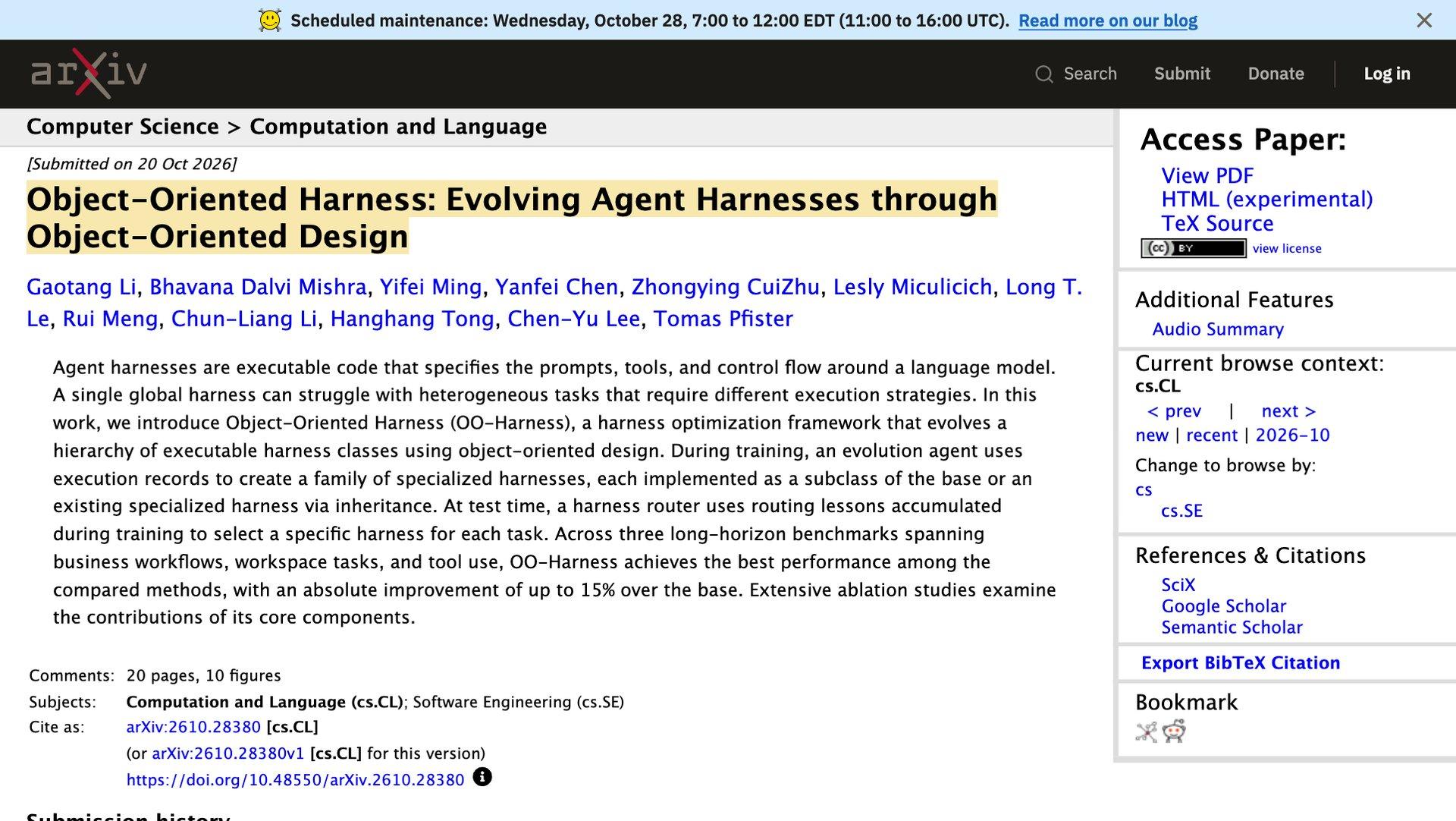
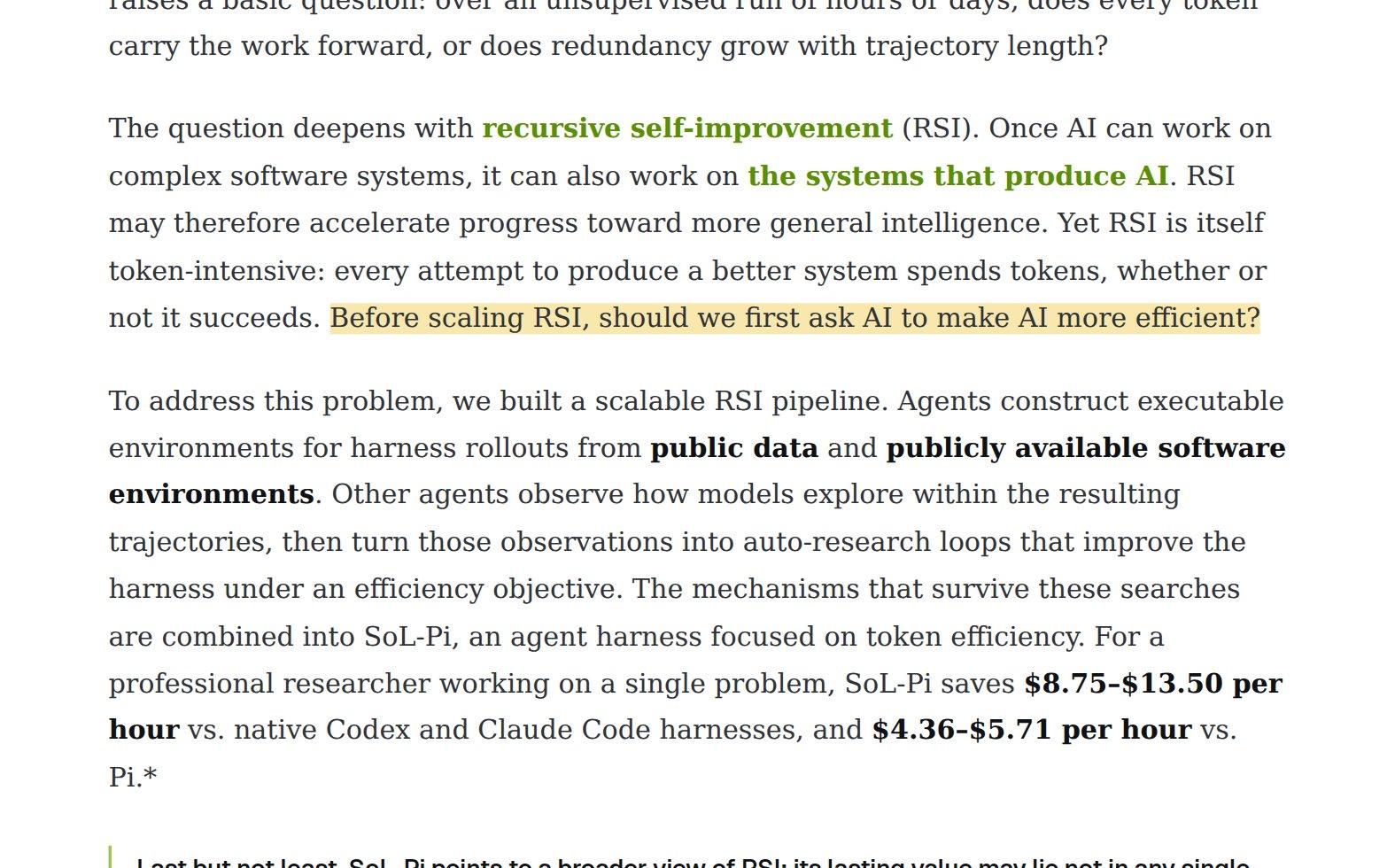
Two Papers That Just Changed How We Build AI Agents
"OO-Harness evolves agent harnesses via inheritance. RLCR trains agent organisations through collective rewards. Both point in the same direction."
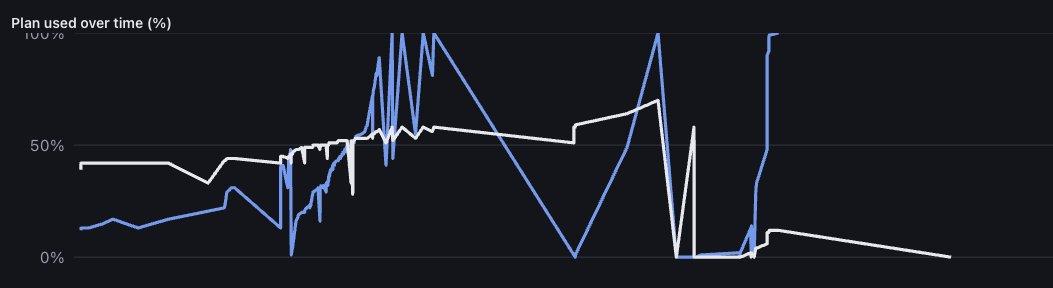
Why long sessions fill a Claude Max plan, with our own numbers
We kept hitting 100% of our Claude Max plan. Our usage ledger shows why: long sessions re-read their whole history on every tool call. Here is how to avoid it.
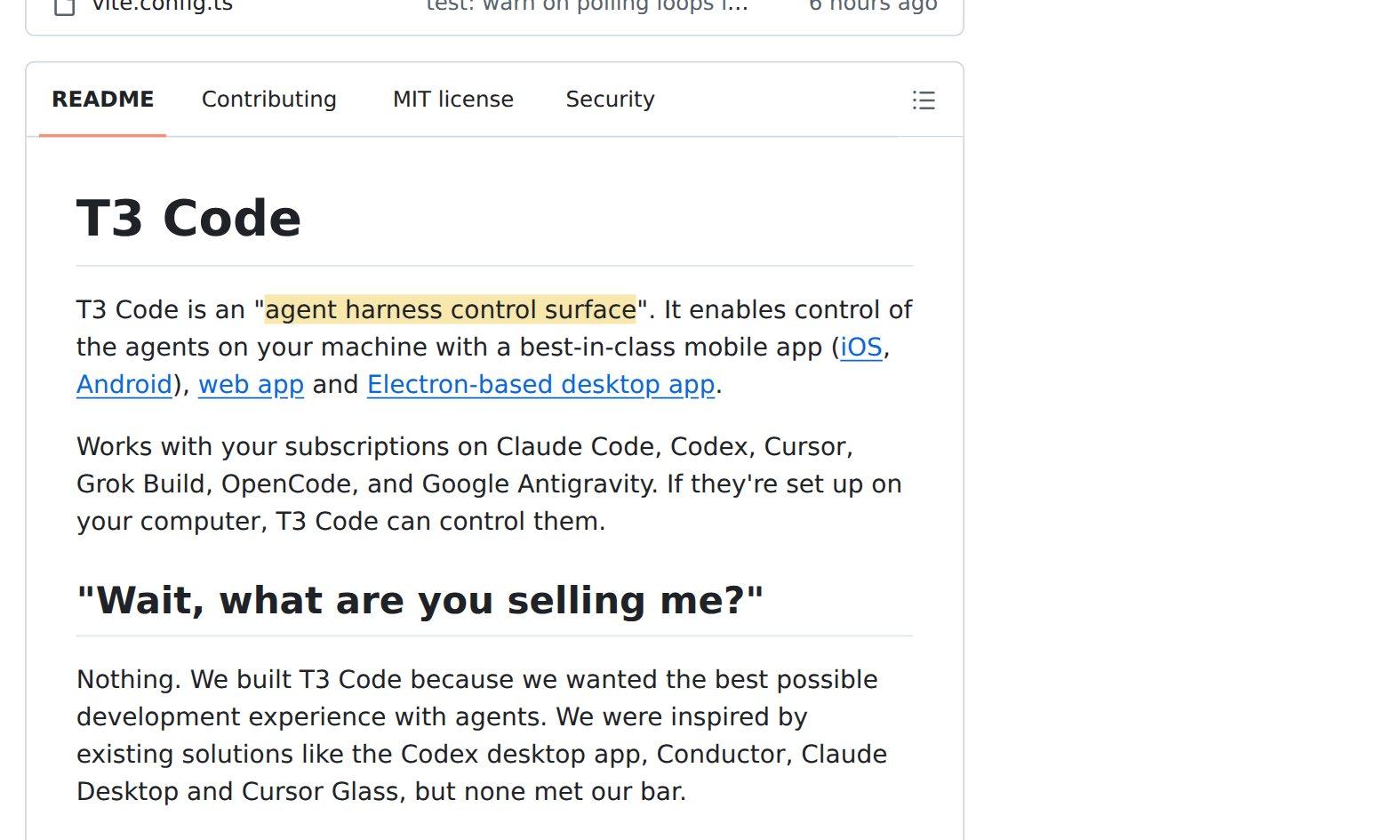
T3 Code explained, the open-source app that runs your coding agents from one place
What T3 Code is, how it drives Claude Code, Codex and other agents on your machine, how to set it up, and what we are taking from its design.

Ten open-source agent ops repos, checked, and the ideas worth borrowing
We checked ten open-source repos sold as the ops layer for AI agent fleets. What each does, what holds up, and nine ideas for a second brain.
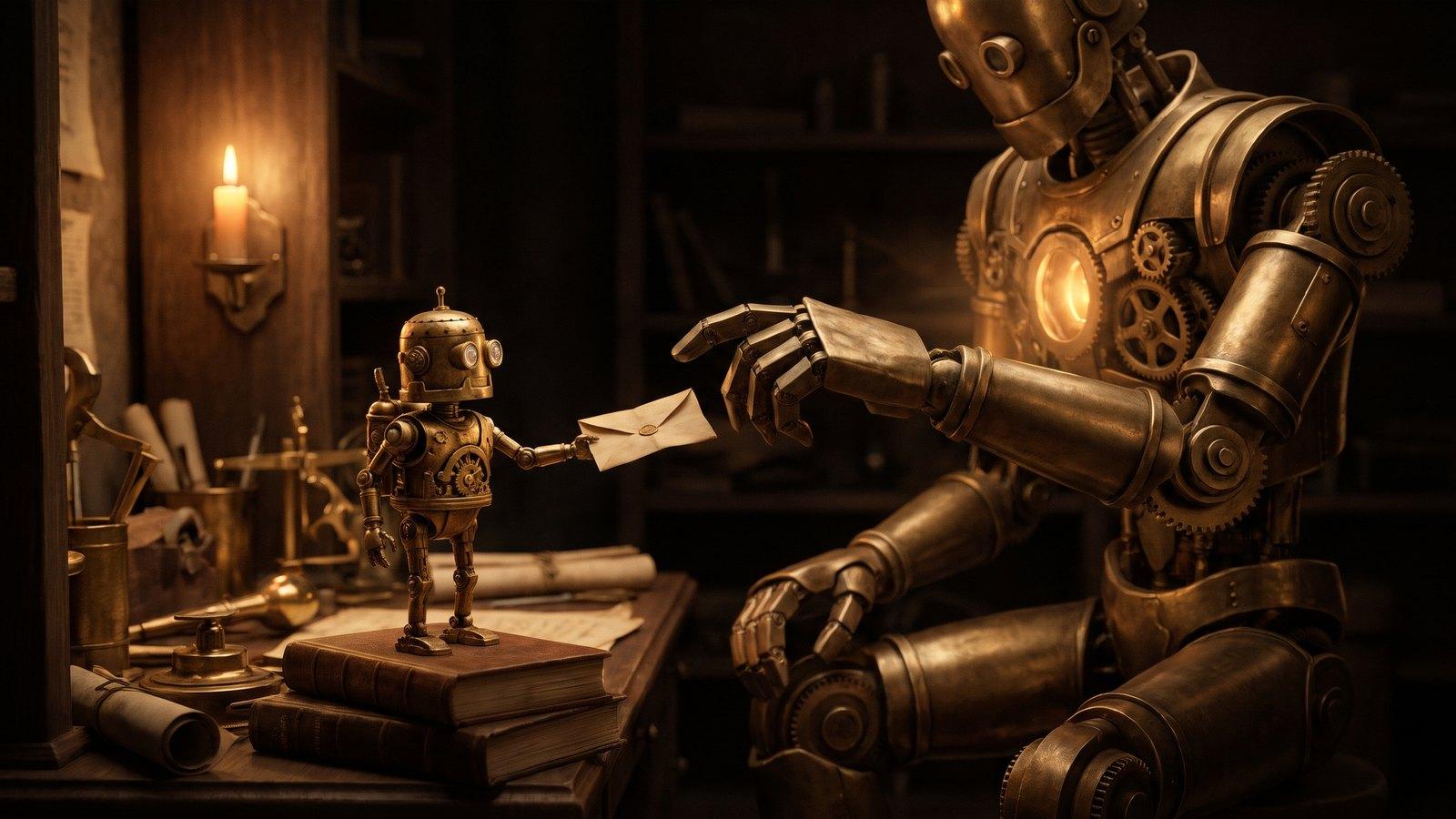
How a small model can make an agent's routine choices, and when it shouldn't
A new paper shows when a cheap decision model can take over an AI agent's routine choices safely, and what that means for our agents.
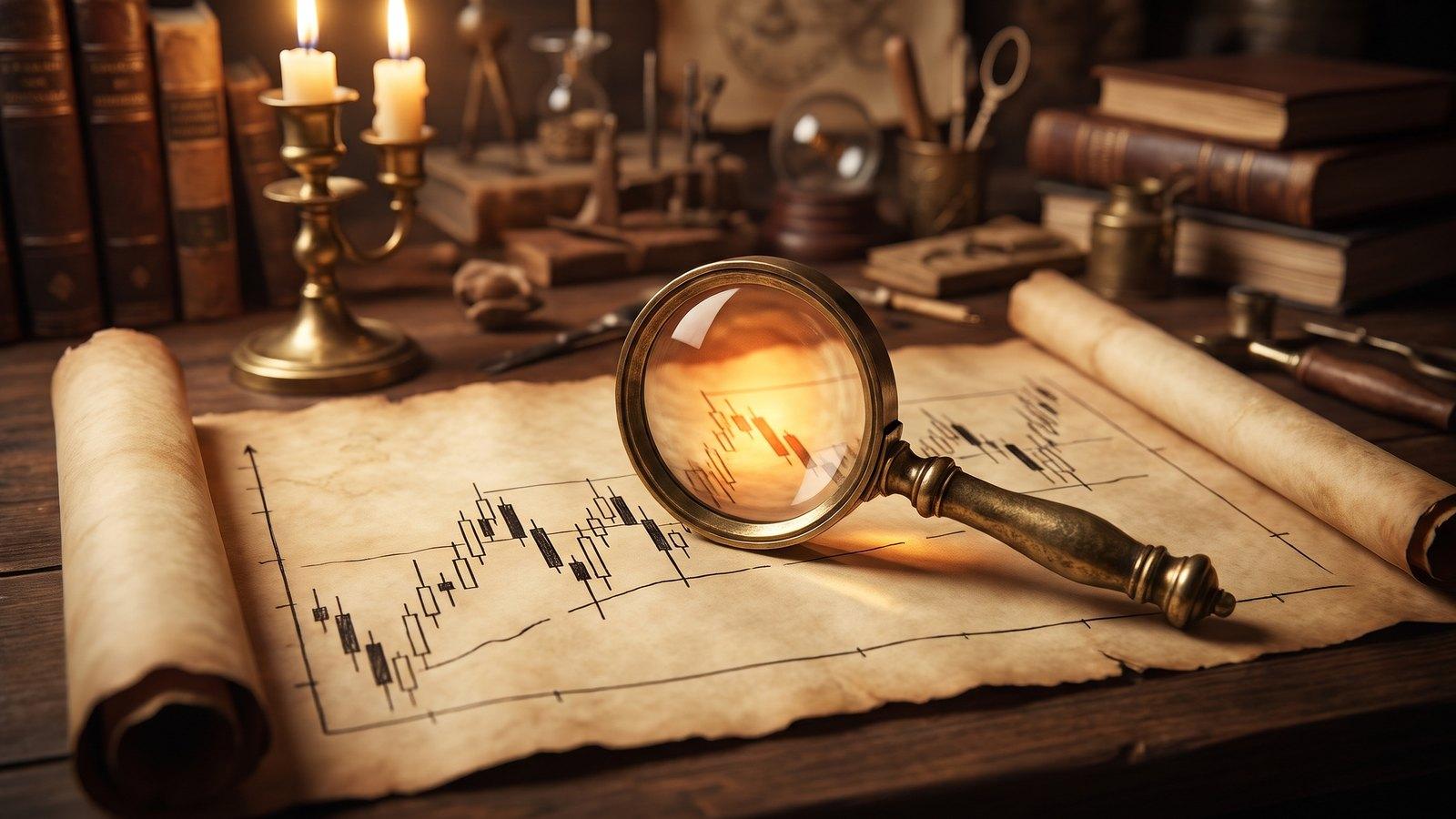
Kronos and the AI models that read price charts, checked against the evidence
What Kronos and other time-series foundation models actually do, what "93% more accurate" really measures, and what the research says about trading with them.

What a research lab's agent playbook teaches a personal second brain
Tim Dettmers argues agents made the ecosystem, not the paper, the unit of work. What that means for how we run agents and our second brain.
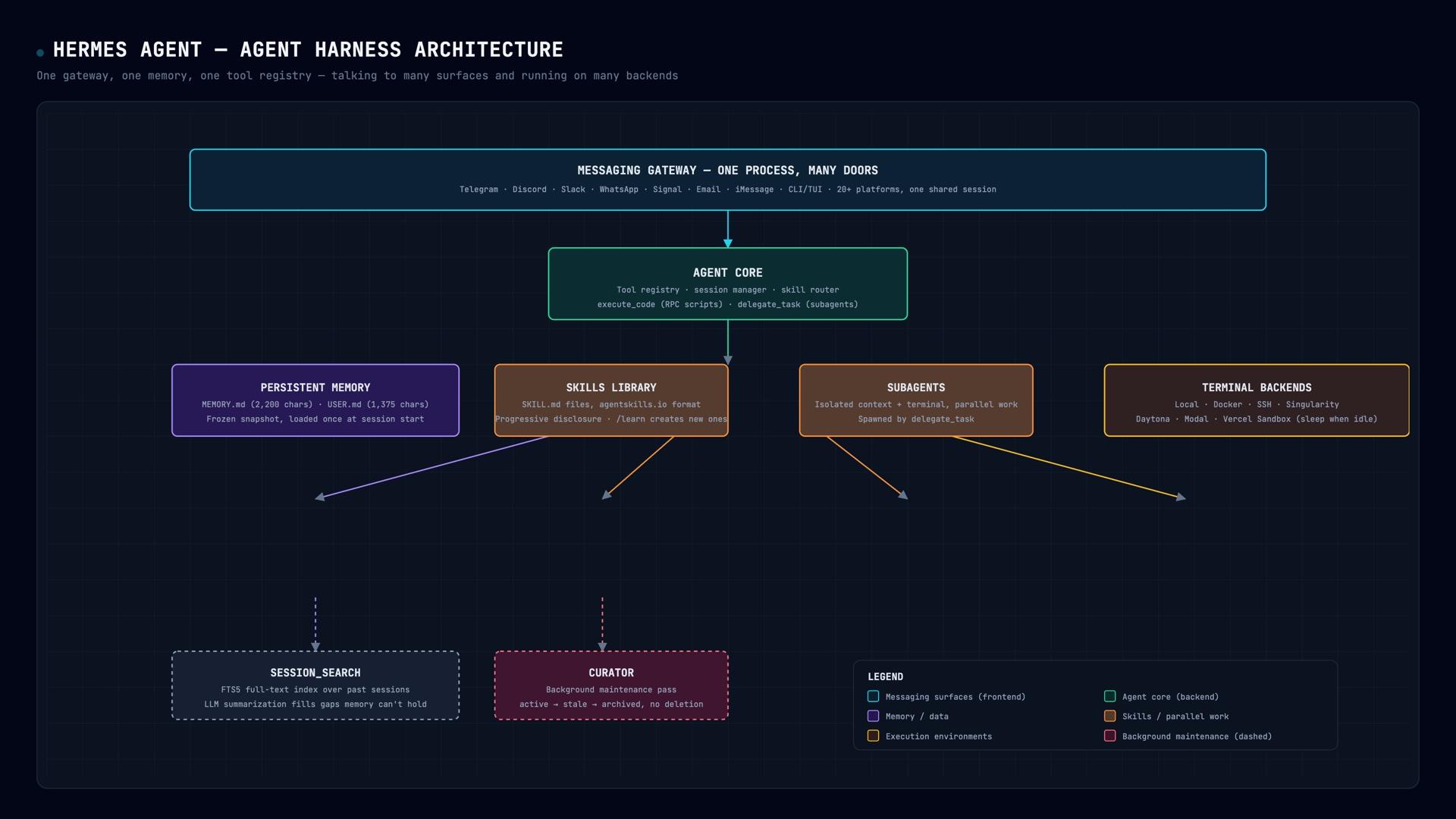
Inside Hermes Agent: memory, skills, and learning to improve itself
What Hermes Agent is, how it got here, how its memory and skills system work, and what its benchmark numbers actually mean next to other agent tools.

How an AI agent can improve its own harness without a grader
What Google's Harness² paper shows about agents editing their own prompts, skills and hooks at test time, and how to build a small version yourself.
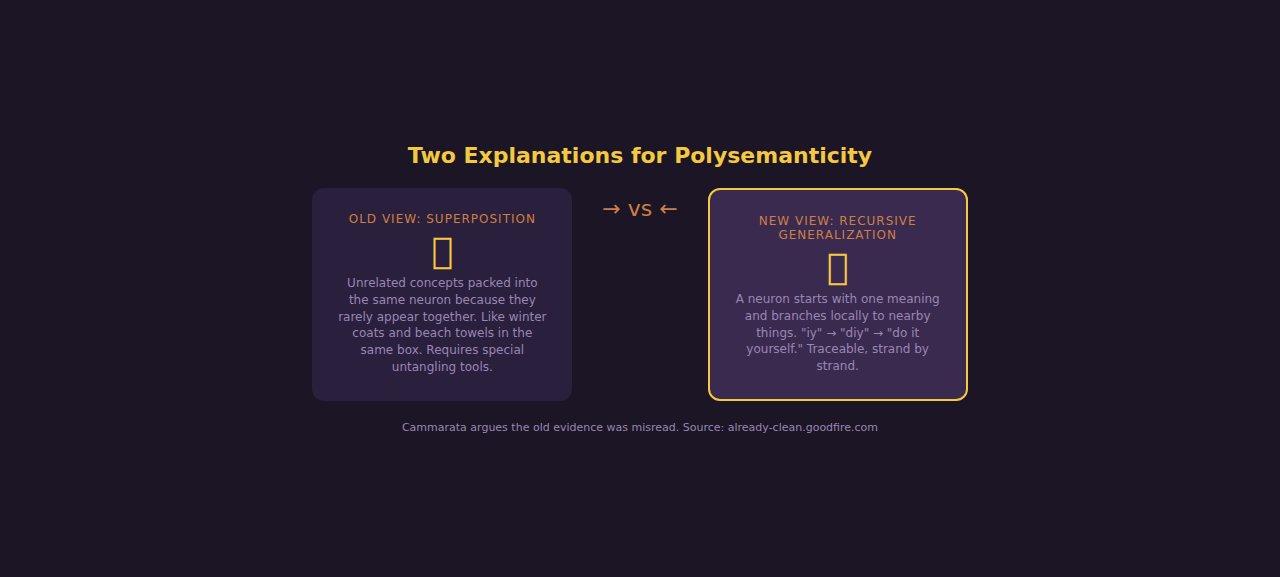
The networks were never tangled: what it means if we can finally read an AI's mind
Nick Cammarata argues neural networks are already readable, neuron by neuron. What he found, and what it means for trusting an AI with a journal.

Making a Lane 8-style track with Ardour and an AI agent
What the open-source Ardour DAW is, how ardour-mcp lets an agent like Claude drive it, and a step-by-step guide to the melodic house sketch we built with it, Ocean View Haikus.

Skills, loops and graphs: the three layers around an AI agent
What skill graphs, loop engineering and graph engineering actually mean, how they fit together, and how we use them across Claude Code, Hermes and the Kanban board in our second brain.

How private AI actually works: Morpheus, TEEs, and secure enclaves
Encryption protects your data at rest and in transit, but not at the moment a model reads it. A plain-English explanation of secure enclaves, how remote attestation turns “trust us” into something checkable, what TEEs genuinely do not protect against, and exactly how Argo uses Morpheus for confidential inference, including the one feature that does not run in the enclave today, and why.
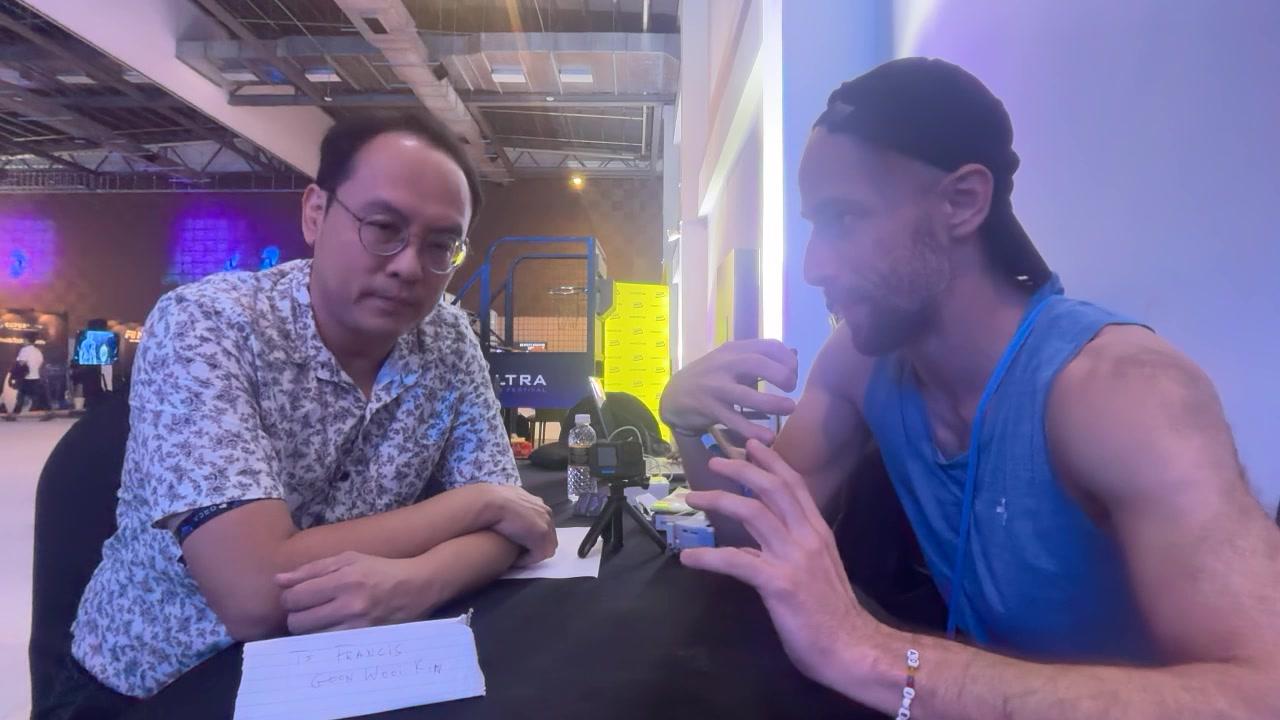
LLP#025, Francis Goon: losing the fear of AI
A conversation at the Ultra Web3 festival with Ts. Francis Goon, a technical writer and former R&D engineer who spent seven years in semiconductors and fourteen years translating dense technology at MIMOS, Malaysia’s national research center. On the handheld biosensor that reads blood with light, why a year of job hunting in Penang pushed him into teaching, how a childhood fear of the computer mirrors the fear beginners feel about AI, and his simplest advice: try one tool a day, because it is just a screen with a box in the middle.
LLP#016, Own Your AI, or Be Owned By It: David Johnston
A conversation at Network School with David Johnston (the man who coined the term “DApps” in 2013) now lead technologist on Morpheus, a permissionless network for decentralized, private AI. On riding every tech wave from biodiesel to Bitcoin, what Morpheus actually is, and why owning your AI is the new question of freedom.